
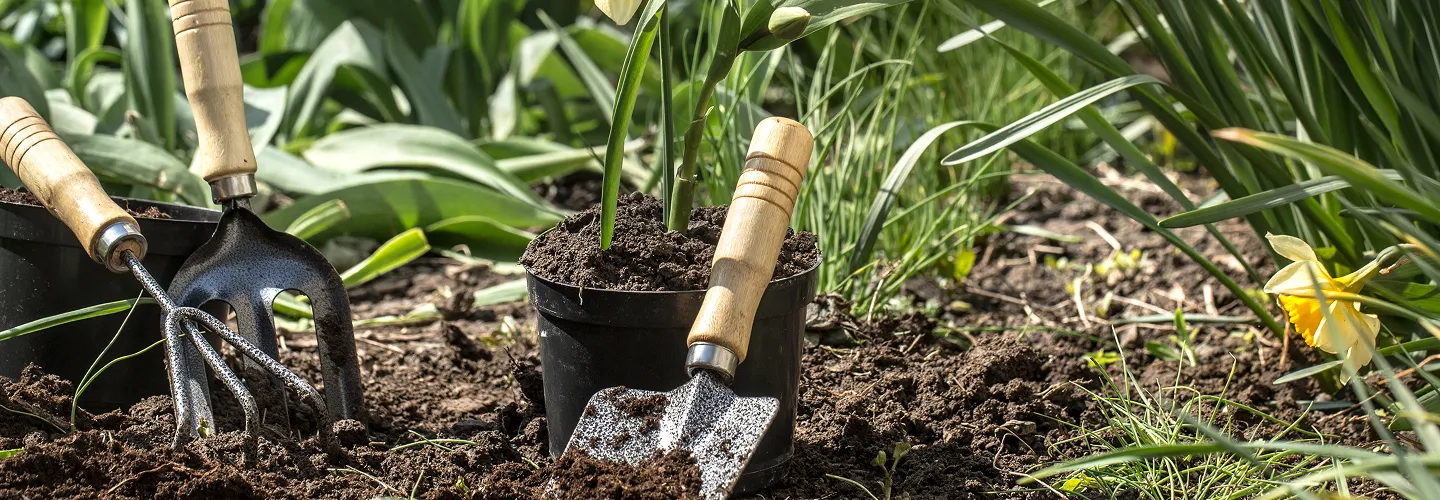
Franklin Green Waste Disposal Services
Choose our Green Waste Disposal for reliable, environmentally responsible service that keeps your property clean and supports a healthier community—experience hassle-free pickups and sustainable waste management you can trust.
Get a Free QuoteOur Franklin Landscaping & Yard Care Services
When to Schedule Green Waste Disposal in Franklin, Massachusetts – Seasonal Guide
In Franklin, Massachusetts, the timing of green waste disposal is closely tied to our unique New England climate and the rhythms of local landscapes. The optimal periods for scheduling this service are typically in late spring, after the last frost has passed, and again in early fall, before the first hard freeze. These windows allow homeowners in neighborhoods like Forge Hill and Parmenter to clear away yard debris, fallen branches, and leaves without interfering with active plant growth or risking exposure to unpredictable weather.
Franklin’s weather patterns—marked by humid summers, occasional drought risk, and shaded lots near DelCarte Conservation Area—mean that green waste can accumulate quickly, especially after heavy rains or windstorms. Soil types in the area, ranging from sandy loam to denser clay, also influence how quickly organic material breaks down. For up-to-date municipal guidelines and disposal schedules, residents can consult the Town of Sudbury’s official website, which provides helpful resources for local waste management.
Local Factors to Consider for Green Waste Disposal in Franklin
- Tree density and types (e.g., maple, oak, pine)
- Proximity to wetlands or conservation land
- Typical precipitation and storm frequency
- Municipal collection schedules and restrictions
- Terrain and yard accessibility
- Soil drainage and composition
- Shade coverage from mature trees
Benefits of Green Waste Disposal in Franklin

Eco-Friendly Landscaping Solutions
Efficient Green Waste Removal
Promotes Healthy Plant Growth
Reduces Landfill Waste
Enhances Curb Appeal
Supports Local Sustainability
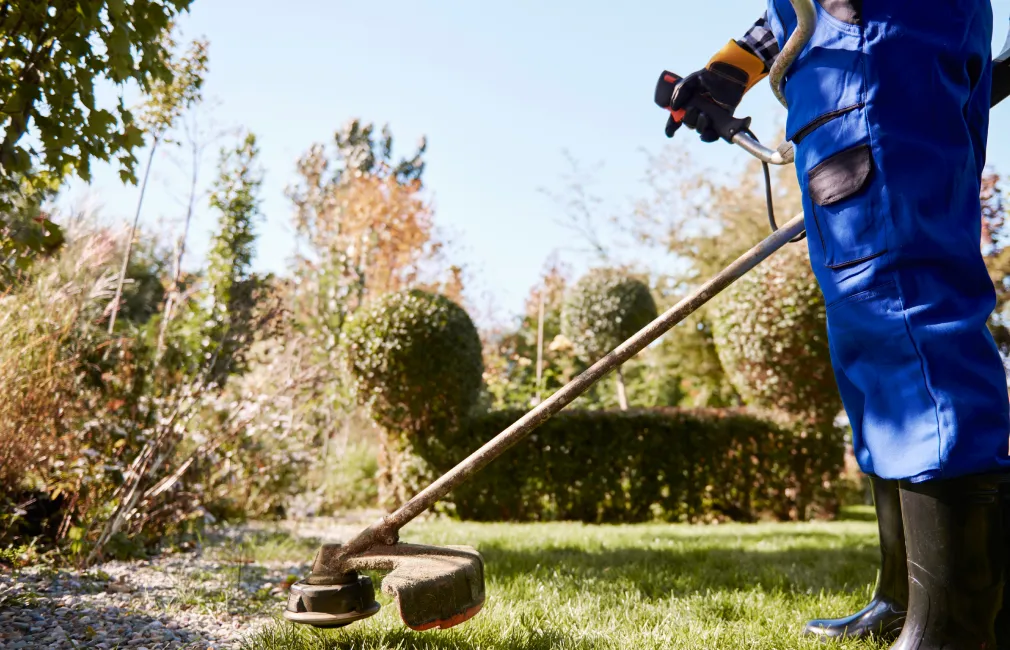
Franklin Green Waste Disposal Types

Grass Clippings
-
Tree Branches
-
Shrub Trimmings
-
Leaves Collection
-
Garden Debris
-
Mulch Disposal
-
Weed Removal
Our Green Waste Disposal Process
Collection of Green Waste
Sorting and Separation
Transport to Disposal Facility
Eco-Friendly Processing
Why Choose Franklin Landscape Services
-
Franklin Homeowners Trust Us
-
Expert Lawn Maintenance
-
Competitive Pricing
-
Professional Team
-
Satisfaction Guarantee
-
Personalized Service
-
Reliable Scheduling
Contact Franklin's Department of Public Works for Seasonal Green Waste Collection & Municipal Composting Programs
Franklin’s municipal green waste programs are designed to support residents in managing yard debris responsibly throughout the year. Seasonal curbside collection typically runs from April through November, with weekly neighborhood schedules and extended pickups during peak fall leaf season. Residents should place green waste at the curb, ensuring it is at least several feet from storm drains and utility poles to facilitate safe collection. The Franklin Department of Public Works oversees these services and operates the Transfer Station, where residents with valid permits can drop off organic materials during posted hours. Preparation guidelines require the use of biodegradable paper bags or loose piles—no plastic bags are accepted, in accordance with Massachusetts Department of Environmental Protection regulations. Specialized programs include brush and branch pickup (limited to 4-foot lengths and 50-pound bundles), Christmas tree collection, and coordinated storm debris removal after Nor’easters or ice storms. Finished compost is made available for community gardens and residents, and educational workshops are offered to promote sustainable practices.
Franklin Department of Public Works
257 Fisher Street, Franklin, MA 02038
Phone: (508) 553-5500
Website: https://www.franklinma.gov/452/Public-Works-DPW
Understanding Green Waste Volume & Decomposition Dynamics in Franklin's Glacial Till & Sandy Outwash Soils
Franklin’s landscape is shaped by a mix of glacial till, sandy outwash, rocky shallow soils, and marine clay, as detailed in the USDA Web Soil Survey. These soils influence how quickly green waste decomposes—sandy outwash promotes faster breakdown, while glacial till and marine clay can slow the process due to poor drainage. The town’s tree canopy is dominated by oak, maple, birch, beech, and pine, resulting in significant seasonal leaf and branch volume, especially in autumn. The local climate, with its defined growing season, variable precipitation, and freeze-thaw cycles, further affects decomposition rates and collection logistics. Nor’easters and ice storms can cause rapid surges in green waste, challenging both residents and municipal crews. In densely vegetated neighborhoods, accumulation is swift, and fluctuating water tables or flooding can complicate both collection and composting efforts.
Franklin's Implementation of Massachusetts Organic Waste Management Requirements for Residents
Franklin aligns its green waste programs with the Massachusetts Department of Environmental Protection (MassDEP) regulations, which mandate yard waste diversion from landfills and promote composting. The town educates residents on proper disposal, enforces compliance, and supports regional organic waste infrastructure. Commercial entities, including landscapers and institutions, must also adhere to organic waste diversion requirements. MassDEP provides oversight through facility permitting, waste diversion tracking, and technical assistance. Franklin’s efforts include community composting support, regular communication about collection schedules, and enforcement of alternative disposal requirements for prohibited materials. These initiatives help the town meet state landfill diversion goals and foster a culture of environmental responsibility.
Proper Preparation & Sorting of Green Waste Materials for Franklin's Collection Programs
To ensure efficient collection and high-quality compost, Franklin residents must carefully sort and prepare green waste. Acceptable materials include:
- Grass clippings (fresh or dried)
- Deciduous and evergreen leaves
- Garden debris (vegetable waste, flowers, pruned materials)
- Brush and branches (up to 4-foot lengths, 50-pound bundles)
- Seasonal items (pumpkins, Christmas trees, holiday greenery)
- Hedge trimmings and weeds
Prohibited materials are:
- Treated lumber, construction debris
- Diseased plants, invasive species (bittersweet, Japanese knotweed, multiflora rose, garlic mustard, buckthorn)
- Contaminated organics (paint, chemicals)
- Stumps, roots
Preparation steps:
- Separate from inorganic debris (plastic, wire, stones)
- Use biodegradable paper bags or natural twine for bundling
- Remove excess soil and manage moisture
- For storm debris, separate organic from construction materials and coordinate with emergency management
Franklin Conservation Commission Guidelines for Green Waste Management Near Protected Areas
The Franklin Conservation Commission enforces the Massachusetts Wetlands Protection Act (M.G.L. c. 131, § 40), which restricts green waste disposal within 25-50+ feet buffer zones of streams, rivers, wetlands, and vernal pools. Organic materials may be used for erosion control in some cases, but natural leaf retention is encouraged in conservation areas to support habitat. Special care is required for invasive species—these must be bagged and disposed of according to municipal programs to prevent spread. Seasonal restrictions protect wildlife, especially during nesting (March-August) and vernal pool activity (March-June). Residents are urged to coordinate with the Massachusetts Division of Fisheries and Wildlife for habitat protection and to prevent organic matter from entering storm drains, supporting compliance with the Massachusetts Clean Waters Act (M.G.L. c. 21).
Franklin Conservation Department
355 East Central Street, Franklin, MA 02038
Phone: (508) 520-4929
Website: https://www.franklinma.gov/515/Conservation
Protecting Franklin's Water Quality Through Green Waste Management & MS4 Stormwater Compliance
Proper green waste management is essential for protecting Franklin’s water resources, including local rivers, ponds, and downstream waters such as Massachusetts Bay and Cape Cod Bay. Preventing nitrogen and phosphorus from entering waterways helps reduce algae blooms and oxygen depletion. Composting green waste increases soil organic matter, sequesters carbon, and reduces landfill methane emissions, supporting Franklin’s climate action and sustainability goals. Municipal programs use finished compost for tree planting, park soil improvement, and community gardens, while green infrastructure projects help manage stormwater. Compliance with MassDEP Stormwater Management Standards and EPA NPDES requirements ensures that organic matter does not enter the MS4 stormwater system, protecting both local and regional water quality.
On-Site Green Waste Management: Composting, Mulching & Sustainable Practices in Franklin
Residents are encouraged to manage green waste on-site through composting, mulch-mowing, and sustainable landscaping. Local ordinances require compost bins to be set back 10-20 feet from property lines and 50-100 feet from wells or water supplies. Compost piles should be managed to prevent odors, pests, and runoff, with attention to carbon-to-nitrogen ratios, moisture, and temperature—especially given Massachusetts’ variable precipitation and seasonal extremes. Prohibited compost materials include meat, dairy, oils, pet waste, diseased plants, invasive species, and chemically treated organics. Sustainable alternatives such as mulch-mowing, naturalized gardens, brush chipping, and rain garden integration are promoted. Residents can consult UMass Extension for composting guidance and best practices.
What Neighborhoods Do We Serve Throughout Franklin, MA?
Franklin’s green waste programs serve all neighborhoods, each with unique landscape and environmental characteristics:
- Downtown/Dean College Area: Mature oak and maple canopy, historic homes, limited on-site composting, curbside collection prioritized.
- Jefferson/Maplegate: Large single-family lots, high green waste volume, naturalized gardens, proximity to wetlands and vernal pools.
- Keller/Sandy Knoll: Newer developments, younger trees, active lawn maintenance, good access for collection vehicles.
- Franklin Woods/Forge Hill: Dense woodland, rocky soils, seasonal storm debris, conservation land nearby, buffer zone compliance needed.
- Pleasant/King Street Corridor: Multi-family and senior communities, shared green space, support for residents with mobility needs.
- Sheffield/Beaver Street: Floodplain areas, marine clay soils, stormwater management focus, alley and curbside collection.
- Historic Districts: Mature trees, narrow streets, composting restrictions, utility conflicts, early leaf drop.
Franklin Recreation Department
275 Beaver Street, Franklin, MA 02038
Phone: (508) 613-1666
Website: https://www.franklinma.gov/331/Recreation
Franklin Municipal Ordinances for Green Waste Equipment Operation & Commercial Services
Franklin’s municipal ordinances regulate green waste equipment operation and commercial services to ensure safety and environmental compliance. Collection and disposal activities are permitted weekdays 7:00 AM-7:00 PM, Saturdays 8:00 AM-6:00 PM, with Sunday operations often restricted or prohibited—residents should verify local bylaws. Commercial haulers and landscapers must be licensed and registered with the Town Clerk, and all operators must follow right-of-way and disposal regulations. Enforcement measures address improper disposal, contamination, and holiday restrictions, which typically follow Sunday rules. The Franklin Building Inspections Department provides information on permits and compliance for commercial operations.
Franklin Building Inspections Department
355 East Central Street, Franklin, MA 02038
Phone: (508) 520-4926
Website: https://www.franklinma.gov/186/Building-Inspections-Department
Franklin’s comprehensive approach to green waste management supports environmental stewardship, regulatory compliance, and community well-being, ensuring a cleaner, healthier future for all residents.